Welcome to my personal page!
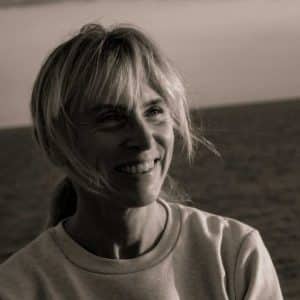
How it all started...
On 09.09.2010, I was diagnosed with ‚relapsing multiple sclerosis‘ at the University Hospital in Cologne. After a one-week hospital stay and subsequent medical treatments, I went to a rehab clinic in May 2011, where I stayed for about nine weeks.
At that time, I mostly walked with Nordic walking poles because my legs often felt heavy and I couldn’t lift my feet properly, so I kept stumbling. After those 9 weeks, it took me almost a year to be able to return to work. But this time, I couldn’t go back full-time; instead, I worked part-time for 3 hours a day. When I think about the fact that the therapists and doctors were initially unsure if I could even work again, I already believed back then that I would manage to walk without assistance and also work 3 hours a day.
June 2011

One month after my arrival in Hilchenbach, my first rehab stay…
July 2011

Walking in Hilchenbach – the „sticks“ gave me the strength to keep going…
February 2017

About 2 years after starting my diet change (now also gluten-free), I started light & slow jogging/walking…
What happened next...
In my job, the switch from full-time to part-time and from fieldwork to office work happened quite quickly, and I trained my successor in my area as a trainer for software users. As you can see, my job completely changed overnight, along with my entire daily routine and life. After being diagnosed with MS, I received a lot of support from my then partner & his family as well as from doctors, friends and my family. However, since my first relapse, I have suffered from constant (sometimes severe) headaches, which has limited me in many ways.
It started with me being unable to participate in conversations for long due to severe concentration problems (even when visiting friends, I had to lie down after a short while and could only follow and listen to the conversations from a distance) and went as far as having low physical stamina for outings – a normal everyday life was no longer possible. I had to take many breaks during the day and was constantly very tired (severe so-called fatigue). My mind felt like it was covered by a veil (i.e. constant so-called brain fog) and for over a year I often sat alone in my room at home and could hardly talk to anyone because of the constant headaches. Often the only contact I had was my then partner, as we lived together and he witnessed many very painful phases.
My entire health at the time affected my private life and leisure activities. My mood kept getting worse and I often had severe mood swings. Right after the diagnosis, I spent a year giving myself a weekly intramuscular injection of a medication that was meant to prevent relapses or the rapid progression of MS. I felt really awful every time afterwards and had severe flu-like symptoms. My whole body ached and I had intense chills. My partner back then would often cover me with several blankets and tell me everyday stories to distract me.
After just one year, I began to doubt the effectiveness of this medication and I stopped taking it. At the same time, I changed my neurologist and met a neurologist who has been supporting me ever since to try a different approach first and focus on reducing or eliminating the existing headaches. If the attacks increase, you can still take medication.
Note: Since then, I’ve only had 2 more relapses where I received cortisone infusions. In these cases, all symptoms, such as walking difficulties and severe concentration problems as well as a decline in speaking ability after 3 hours of activity, went away or became less intense over time. I haven’t had a relapse since 2013.
After 2 years I asked myself what I actually still expect from life and what my goals and wishes are nowadays, in this phase of my life with this illness. My life goals have completely changed because of the illness. I wanted to see the world while I still could, whether by ship or by plane. Travelling was very important to me and even otherwise, the shared goals that my then partner and I had changed so much that we separated 2 years later. Once you are on the ‚other side‘ of life and have actually become chronically ill, you try to find the reasons for it, how something like this could happen and if there was anything you could have done to prevent it. It is not easy to answer this question. From my experience now, however, I can say that today other things are much more important to me than they were before.
Looking back, I focused more on my career, how I could get better, and less on my physical health and reducing my stress levels, which increased over the years. I struggled a lot to switch off and use the free time I had after a usual 50 – 60 hour week to recover. My diet wasn’t that important to me and I often didn’t have the energy or motivation to exercise after a 10 – 12 hour day. And that exercise would also take place indoors rather than outside in nature. Getting enough vitamin D wasn’t even something to think about with training at 8pm or later.
Switching to a new diet...
I started (during 2013) to take a closer interest in the topic of ‘nutrition’. Before that, my interest was solely focused on drinking fruit and vegetable juices daily. I began with 1 kg of carrots plus 1 lemon, occasionally 1 to 2 apples and 1 orange per day. I did this for several months, so soon I was asked at my trusted supermarket if I had a horse at home :-).
My skin slowly started to look like a carrot (e.g. yellow palms), but that quickly settled. The initial skin discoloration is said to be a sign that the liver is undergoing a cleanse. Well, it wasn’t just this idea that made me keep drinking carrot juice, but also that I simply felt better just because of it. Depending on a person’s condition, carrot juice can be drunk daily in a reasonable amount from half a litre up to 2 litres. My opinion is that you just have to try it out to see what amount works best for you.
Carrot juice not only helps normalise body functions, but also provides vitamins A, B, C, D, G and K. It also helps maintain bone structure and teeth. My special interest in carrot juice, however, was the fact that it boosts resistance to infections and helps prevent things like throat infections and sinusitis, which I used to get very often. And finally, it protects the nervous system and is said to be an unmatched strengthening and revitalising drink.
Today I drink a juice smoothie every day (enhanced with oats), which I prepare with different seasonal fruits or vegetables. In doing so, I make sure to provide my body with the necessary (micro) nutrients every day, so that it can get back into balance through food. It also shows here again that it’s simply worth it to keep at it for your health. After all, as they say, „nothing comes from nothing“. …
After I reached the point where I wanted to make a juice or smoothie out of just about anything that could be called fruit or vegetables :-), I focused specifically on the topic of ‚anti-inflammatory foods‘. I wanted to cook daily with fresh ingredients and, even when I was out, I preferred eating Asian food rather than burgers, pizzas or pastries from the bakery. Right at the start of my MS, I first came across ‚Low Carb‘ through my then GP. This basically means eating a low-carb diet. Even back then, I was fascinated by it and wondered how much, for example, bread I actually eat per day? That wasn’t a hard question to answer, especially growing up in a bread-eating nation where there’s almost always a bakery on every corner. That made me start reducing my intake of things like pasta, cakes, cookies and bread at first.
Over time (early 2015), I wanted to take it a step further and completely give up gluten, because I kept finding in various specialist books and studies that people with autoimmune diseases are much more likely to have a leaky gut (and often don’t know or notice it), which can lead to disproportionately strong immune reactions when they eat gluten. The immune system then goes into overdrive, triggering a negative reaction in the body.
For me, it was and still is exciting to find out how it actually works completely without ‚gluten‘. Where do I shop, where is gluten actually hidden everywhere, and ultimately – how does it affect my health, my well-being, and… will it also relieve my constant headaches. So I did it – gradually I switched to gluten-free food and drinks. After just a few months, I started feeling better, after half a year the kilos began to drop, and after about a year, I had lost around 10 kg. How much someone loses in a certain period certainly depends on their metabolism and also on whether they move or exercise in parallel. I will go into this topic in more detail later. …
What inspired me the most to completely and permanently change my diet were the following books. Dr Terry Wahls, a doctor who herself suffered from MS and managed to halt it through her own developed diet programme, wrote the book ‚Successfully Treating Multiple Sclerosis with the Paleo Programme‘. Doctors Prof Dr Richard Béliveau and Dr Denis Gingras wrote in their book ‚Cancer Cells Don’t Like Raspberries‘ about foods that help fight cancer, boost the immune system and offer targeted prevention.
This reinforced my belief that diet plays a big role in your own health and that there is a connection between all inflammation-related diseases. I told myself that if people who have MS themselves managed to positively influence the course of the disease or even stop it, then I can do it too. When I then studied the other book about cancer cells and saw that diet, with many foods that also have a positive impact on MS, plays an important role and constantly relates to cell health/function, this path convinced me.
Sport & my life goals...
I have gotten a big step closer to one of my life goals through my current partner. We met towards the end of 2014 and right from the start, he focused on my health and existing self-healing abilities. However, before we could really move forward with improving my health, I collapsed in my flat a few months later that same year due to a severe flu infection. I could only move as if on all fours to the next place to sit, because my legs simply couldn’t support me anymore. My partner witnessed all of this and decided to put me on an exercise programme to get my legs supporting me again, among other things. Because he was already aware back then that the body is naturally always able to support itself. Due to the severe flu infection, which came with constant coughing fits (several times a day for several weeks), it took a few more months (February/March 2015) before the exercise programme could start. We initially began with a light exercise programme that involved boosting my stamina and taking walks from one espresso bar to the next. Because my partner and I love espresso and the Mediterranean zest for life.
I also learned how to skateboard through him, where you learn to keep your balance. Furthermore, you have to overcome the fear of not jumping off a steep downhill street, but staying on the board until the end. At that time, that was quite a challenge for me, as I didn’t really believe I could do it. Otherwise, I also had the thought that I couldn’t do or even carry many things anymore and increasingly prepared myself to wear light shoes (because heavy shoes would make me stumble more since I often couldn’t lift my feet) and only go places closer to home. Because previously, on longer walks, I found it difficult to get back comfortably without my legs giving way. Here, I occasionally took the ’sticks‘ with me or used my bike as a ’support‘ for the way home.
Gradually, the walks turned into light jogging/walking, where we alternated between running slowly and walking (at my pace). Always out in the fresh air, come rain or shine, and at regular intervals. At first, during the exercise programme, the pressure in my head increased, but I got through that stage with light jogging/walking and the head pressure gradually eased. Of course, at first I felt a sense of fear (maybe this effort would trigger a flare-up, as is often mentioned in books or stories?), but surprisingly, it subsided quite quickly and afterwards I not only felt better but also felt „alive“ again.
I now do light jogging/walking, coordination and strength training outdoors several times a week, along with daily autogenic training and yoga once a week. After practising yoga for over five years, I started doing daily Qi Gong and meditation, and recently also Tai Chi. I’m also spending much more time outside in general (no matter the weather) and walk a lot of routes on foot. As a result, my body gets vitamin D even in the darker seasons, which helps the immune system become more resilient against infections and other issues.
I’ve also managed to get a good handle on my daily headaches. The pain spikes are much less than before and overall I just feel mentally better and my mood has noticeably improved. I deal with nutrition every day and keep discovering more interesting foods/(micro)nutrients that support brain health and recovery. I’m also becoming more aware of the connection between diet and overall body health, or the health of individual cells with their powerhouses (so-called mitochondria).
Conclusion...
Since I completely changed my diet and lifestyle, so no more canteen food, mainly avoiding processed foods and cooking fresh as often as possible, which also have anti-inflammatory effects, and getting plenty of fresh air, I’ve got my symptoms well under control. Plus, I just have more energy and joy for life again.
It is well known that health doesn’t work without the mind, the soul, and the body. And you can definitely influence your own health or body, including its 100 trillion cells. For example, which nutrients are important for cell health and what effects it can have if you, among other things, eat poorly. So it is possible to tackle the so-called „illness“ at its „root“ instead of just working on the symptoms, and in doing so, effectively use your own healing powers.
I can only keep emphasising here how important it is to stick to this new way of life, to be more mindful of yourself and your body, and to orient your diet accordingly in the long run, making sure every day to take in the nutrients your brain and body (cells) need, rather than getting most of your energy from fast food, industrially processed foods and ready meals (pizza and the like).
I just want to show how important and fundamental the three pillars of nutrition, exercise (movement), and motivation (mental), as well as (new!) environment/surroundings are for maintaining your health and forming the basis for activating your self-healing powers. This way, you’ll get more energy, get your illness symptoms under control, and regain more quality of life. I cook every day with all the ingredients that, among other things, counteract inflammation in the body, continuously educate myself on topics like ‚anti-inflammatory nutrition‘, research the latest scientific findings, and can share extensive knowledge with you from my own experience and daily study.
I run the programme myself every day and can only say that it’s definitely worth making the effort. Considering that back then at rehab they already saw me as fully retired and I, too, often couldn’t quite believe that through my „own programme“ I actually managed to get a handle on MS with the symptoms I had at the time, like barely being able to walk or talk, not being able to converse properly due to constant, sometimes severe headaches, etc. This programme is based both on my own experiences and on the latest scientific findings related to inflammation-based diseases (such as Type 2 diabetes and rheumatism) from my studies.
For over 11 years now, I have been acquiring knowledge both self-taught and through ongoing regular training in the aforementioned areas, as well as by studying specialist literature. This knowledge significantly supports me on my path towards health, in addition to over 15 years of experience dealing with MS and more than 11 years of switching to an anti-inflammatory diet.
I would love to share this knowledge with you through my online courses and support you in transitioning to a healthy diet and lifestyle (in connection with vitamin D and its effects). The goal is to activate your self-healing powers and help you regain more quality of life. This way, you take responsibility for yourself and your health again. You have control over how you feel. Your self-confidence will also be strengthened and you will gain more (life) energy.
Finally, I want to thank YOU very much for your interest in my story.
Wishing you lots of love, all the best and good health,
Tanja Riechers
November 2021

After 11 years of being diagnosed with MS and 7 years of practising my own programme …
+49 (0)157 / 506 20 182
Call me
You will get a callback within 24 hours!
+49 (0)157 / 506 20 182 (Mobil)
Contact me
If you have any questions, just write to me! I'll reply within 24 hours!